

What is Ethiopian Coffee?
What is Ethiopian Coffee?
Ethiopia the Birthplace of Coffee
Ethiopian coffee is one of the world's most celebrated coffee origins, prized for its vibrant fruit flavors, floral aromas, and remarkable complexity. Grown at high elevations in the birthplace of Arabica coffee, Ethiopian coffee reflects centuries of cultivation and one of the richest coffee traditions in the world. Whether brewed as a pour-over, espresso, or drip coffee, Ethiopian coffee offers a distinctive expression of origin that continues to influence specialty coffee around the globe.
Ethiopian Coffee Culture
Coffee is woven into everyday life in Ethiopia. Sharing coffee is a symbol of hospitality, friendship, and community, and the traditional Ethiopian coffee ceremony remains one of the country's most cherished customs.
During the ceremony, green coffee is often roasted by hand, freshly ground, and brewed in a clay jebena before being served in several rounds. The ritual encourages conversation, strengthens relationships, and reflects the deep respect Ethiopians have for coffee and the people they share it with.
For many Ethiopians, coffee is more than a beverage—it's an important part of daily life and cultural identity.
How Ethiopian Coffee Is Grown
Most Ethiopian coffee is produced by smallholder farmers cultivating coffee on family-owned farms, often at elevations between 5,000 and 7,500 feet. Many farms continue to use traditional growing methods, allowing coffee trees to mature slowly beneath natural shade. Harrars and Yirgacheffes in particular are what Ethiopians call "garden coffees," grown on small plots by villagers using completely traditional methods
The combination of rich soil, abundant rainfall, and high elevation contributes to the remarkable sweetness, vibrant acidity, and layered complexity that define Ethiopian coffee.
Ethiopia's Famous Coffee Regions
Ethiopia is home to several of the world's most celebrated coffee-growing regions, each producing distinctive coffees shaped by elevation, climate, soil, and traditional processing methods.
Yirgacheffe – Renowned for its delicate floral aromas, bright citrus notes, and tea-like elegance. Yirgacheffe coffees are among the most recognizable and sought-after Ethiopian coffees.
Sidama – Known for vibrant berry sweetness, lively acidity, and balanced body. Sidama produces a wide range of expressive coffees with exceptional complexity.
Guji – Produces coffees with layered notes of peach, tropical fruit, jasmine, and honey. Guji has become one of Ethiopia's premier specialty coffee regions.
Limu – Offers a smooth, balanced cup with notes of chocolate, citrus, and gentle floral sweetness. Limu coffees are known for their clean finish and refined character.
Harrar – Traditionally processed using the natural method, Harrar coffees are famous for their bold body and distinctive flavors of blueberry, blackberry, chocolate, and spice, making them a favorite for espresso blends and adventurous coffee drinkers.
How Ethiopian Coffee Is Processed
The way coffee is processed after harvest has a significant influence on its flavor. Ethiopian producers primarily use two traditional processing methods, each creating a distinctive cup profile.
Washed Process
In the washed process, the coffee cherry is removed from the bean soon after harvest before the beans are fermented, washed, and dried. Washed Ethiopian coffees are known for their clean, bright character with floral aromas, citrus notes, and exceptional clarity.
Natural Process
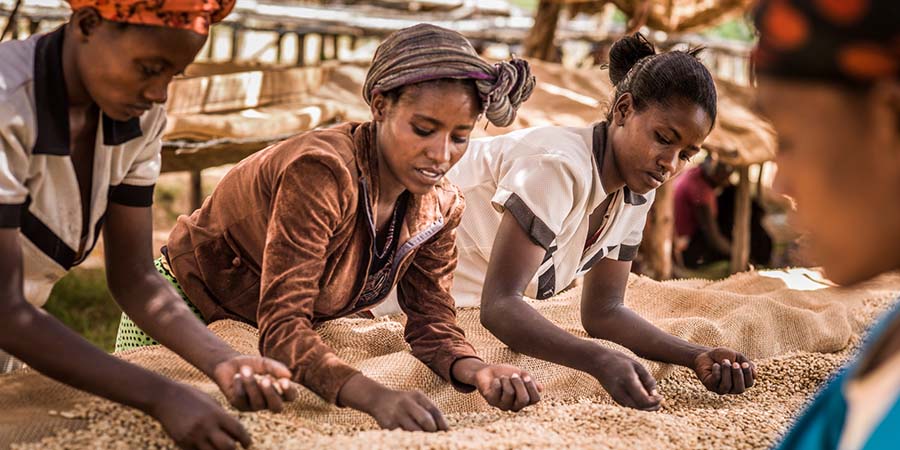
Natural, or dry-processed, coffees are dried with the fruit still surrounding the bean. As the cherries dry, they impart rich fruit flavors and natural sweetness. Ethiopian natural coffees often showcase notes of blueberry, blackberry, tropical fruit, chocolate, and wine-like complexity with a fuller body.
Both processing methods highlight the remarkable quality of Ethiopian coffee while offering distinctly different tasting experiences.

The Future of Coffee in Ethiopia
Ethiopia's coffee industry continues to face challenges from changing weather patterns, shifting rainfall, and rising temperatures. Because many of the country's coffees are grown at high elevations by smallholder farmers, changes in climate can affect both coffee quality and production.
Despite these challenges, Ethiopian farmers continue to adapt through improved cultivation practices, careful land management, and ongoing research into resilient coffee varieties. The country's diverse growing regions and centuries of coffee-growing experience remain important strengths for the future of Ethiopian coffee.
As demand for high-quality specialty coffee continues to grow, Ethiopia remains one of the world's most respected coffee-producing nations, recognized for its remarkable diversity, rich coffee heritage, and commitment to producing exceptional Arabica coffee.
Frequently Asked Questions
What is Ethiopian coffee?
Ethiopian coffee refers to coffee grown in Ethiopia, the birthplace of Arabica coffee. It is prized for its bright fruit flavors, floral aromas, lively acidity, and remarkable complexity, with each growing region offering its own distinctive character.
Why is Ethiopian coffee considered the birthplace of coffee?
Ethiopia is widely recognized as the birthplace of Coffea arabica, the species that produces most of the world's specialty coffee. Coffee has been cultivated there for centuries and remains an essential part of Ethiopian culture and daily life.
What does Ethiopian coffee taste like?
Depending on the region and processing method, Ethiopian coffee may feature notes of blueberry, blackberry, peach, citrus, jasmine, honey, and chocolate. Many coffees are known for their bright acidity, clean finish, and layered complexity.
What are the most famous coffee-growing regions in Ethiopia?
Some of Ethiopia's best-known coffee regions include Yirgacheffe, Sidama, Guji, Limu, and Harrar. Each produces coffees with unique flavor characteristics shaped by elevation, climate, and processing methods.
What is the difference between washed and natural Ethiopian coffee?
Washed Ethiopian coffees are typically bright, clean, and floral with crisp citrus notes. Natural (dry-processed) Ethiopian coffees are known for fuller body, pronounced berry sweetness, and complex fruit-forward flavors.
Is Ethiopian coffee made from Arabica beans?
Yes. Ethiopian coffee is grown from Arabica coffee varieties, many of which are native heirloom cultivars found only in Ethiopia.
What is the best way to brew Ethiopian coffee?
Pour-over methods such as the V60 or Chemex are popular because they highlight Ethiopian coffee's delicate floral aromas and fruit notes. Ethiopian coffee also performs beautifully in French press, drip coffee makers, and espresso machines.
Why is Ethiopian coffee so highly regarded?
Ethiopian coffee combines ideal growing conditions, diverse heirloom Arabica varieties, centuries of coffee-growing tradition, and meticulous processing methods. These factors produce some of the world's most distinctive and sought-after coffees.
Continue Exploring Ethiopian Coffee
Want to learn more about one of the world's most celebrated coffee origins? Explore these related guides: